
Currituck County's Multi-Day Record Trail
The Currituck County Sheriff's Office posts no chronological 72-hour arrest log. There is no weekly blotter either. No searchable archive of every booking exists online. The county's official news area and sheriff Facebook account are selective channels. Neither sets a fixed window, complete count, posting schedule, or roll-off rule.
A sound multi-day review starts with dated news leads. Then it moves to the agency that owns the record. Detention staff or NC SAVAN confirm local custody. The clerk or eCourts confirms court filings. Ask the sheriff for an arrest or booking record when a precise date range matters. This route also covers anyone arrested in Currituck but held in another county.
Read the Currituck Police Blotter
Work backward from the newest dated material. Keep the publication date separate from the event date. A news story may run days after an investigation, and a sheriff post can summarize events spanning several days.
- Review the official sheriff channel for dated public statements. Record the arresting agency, event date, alleged charge, and any stated receiving facility.
- Check a verified local news story for source attribution. “Submitted story” or a sheriff photo credit signals agency-supplied material, but it still is not a full blotter.
- Confirm current custody through Currituck detention or NC SAVAN. Do not infer that the person remains held where the story first placed them.
- Use the Currituck court system to find later case events and disposition. Match identities carefully and retain the case number.
- For a missing date or older entry, request an existing arrest sheet, booking record, or entry and release summary with a narrow date range.
Want only the newest events? Use the Arrests Last 24 Hours route for direct custody checks instead of a multi-day news search.
Currituck Arrest-Log Entry Fields
Currituck publishes no official blotter with a set field format. News reports and requested records vary. Treat each item as a claim tied to its source and date.
| Field | How to read it |
|---|---|
| Name and identifiers | Compare spelling, age, and other lawful identity details to avoid a false match. |
| Event date | Distinguish arrest, booking, article publication, and court dates. |
| Agency | Identify who investigated, who arrested, and who now holds the person. |
| Charges | Read them as charges recorded at the time, not final findings. |
| Facility | Note whether custody was local or at an outside receiving jail. |
| Bond or release | Verify any terms because they may change after the report. |
| Photo source | An agency credit may explain origin; no official county photo-feed policy was found. |
| Disposition | Use the court file for dismissal, plea, acquittal, conviction, or other resolution. |
A booking number is not a court case number. It is not an NCDAC offender number either. Note: Save the story URL and its publication date before turning to official custody and court sources.
Currituck Arrest News Is Episodic
The Outer Banks Voice stands out for Currituck arrest stories. Its reports often come from sheriff submissions, and some credit a Currituck Sheriff's Office photo. Others describe multi-agency work or custody outside the county. The outlet promises no daily list, though, and no complete booking coverage.
The Coastland Times serves the region and keeps a historical archive through DigitalNC. But no live Currituck booking feed runs there. Currituck Now offers community news and place context. It publishes no recurring booking roster. Official sources still come first, and local reporting stays a lead worth verifying.
County records follow retention rules. The North Carolina State Archives local-records page explains the framework.

The captured guidance concerns government records management, not a current Currituck County police blotter.
Weekend Currituck Arrest Reports
No Currituck publication rule puts weekend or holiday bookings on a set day. A Monday search might surface one notable event. Other weekend intakes can stay absent from public posts. Holidays can separate an event date from a records-office response. The arrest record itself does not change.
Build a weekend timeline from sources rather than assuming a surge. Start with Friday through Monday event dates. Ask detention about a named person, and use NC SAVAN for custody changes. Then check court filings as they become available. If a public story appears, read its stated source and custody location.
This matters in Currituck. The detention center can transport people elsewhere. The first reported jail may not be the current one, so an arrest in the county does not guarantee continued county custody.
Currituck Activity Totals Are Not Blotters
The county's Spring 2025 newsletter tallies 2024 sheriff activity. The figures include 67,302 calls, 10,447 traffic stops, 172 DWI stops, and 797 warrants and arrests. These are aggregate agency measures. They are not a list of named people, a count of jail admissions, or proof of arrests in Moyock, Grandy, or Currituck.
One event can generate more than one measure. The combined warrants/arrests label cannot be split into a daily average or used to infer bookings. The newsletter serves broad public-safety context only. Named-person questions still require detention, arrest records, and court sources.
Older Currituck Arrest Records
A story can vanish from a news homepage. Official record systems can still hold it. Under the sheriff retention schedule, inmate incarceration records may be destroyed in office three years after release or transfer. Those records can include entry and release summaries and detainee arrest sheets. Litigation and audit holds apply. Inmate-list reports may go when superseded or obsolete. The schedule is an office rule, though, not a promise of public web access for three years.
For an older period, request the sheriff or detention record first. Use the clerk for court files and disposition. Turn to NCDAC if the matter has moved into state custody. Historical newspapers and State Archives add context where material survived. Neither says where someone is held today. The State Archives reference page lays out the historical inquiry route.
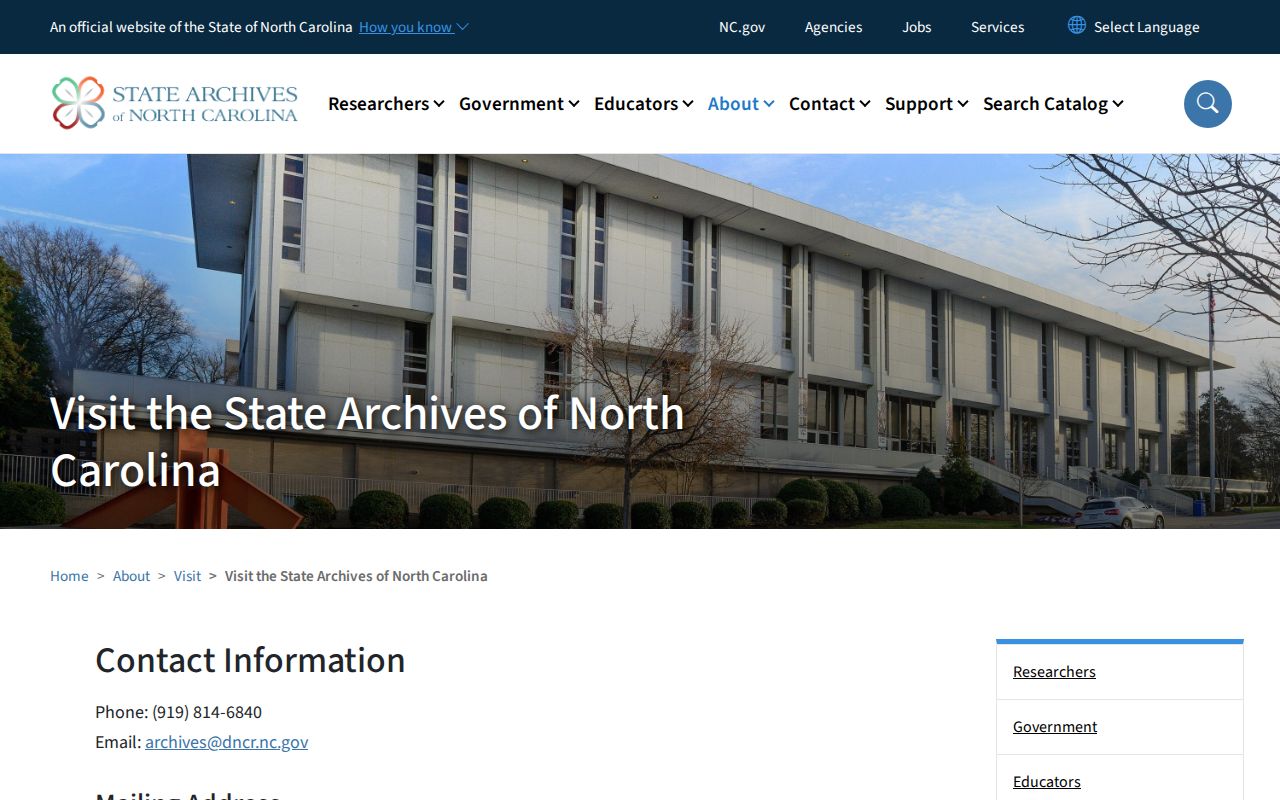
This capture supports archive research after current agency and court sources have been checked.
Unofficial Currituck Arrest Archives
Treat third-party arrest sites with real caution. Busted Newspaper's Currituck archive lists entries from 2017 and 2018 yet describes them in recent-booking language, which misleads readers. Mugshots.com offers a county index but nothing that tracks current custody. A Currituck Arrests.org mirror makes claims that clash with official county details. None of these is a sheriff roster.
Do not rely on them for live questions. They cannot tell you who is in custody today, whether a charge still stands, or whether a booking photo is current. Official detention, court, and records channels come first. If an unofficial site helps you pin down an old arrest date, carry that date to the record custodian. The official search ends there. No paid aggregator is required.
Preserve the Currituck Record Chain
Logging each source makes a multi-day Currituck arrest search far easier to verify. Give every record its role. Store the event date, publication date, agency, facility, and case number in separate fields. When a report gets corrected, keep the corrected version and note what changed. That habit keeps an old headline from reading as a present custody statement.
Work outward from the most direct official record. The sheriff or detention center holds the local booking record. It also holds current custody status. NC SAVAN flags custody changes for participating agencies. The clerk and eCourts carry the legal case. News and archives add context. They never override those records. When sources conflict, ask the agency that created the disputed fact instead of merging accounts.
Older files can include lawful redactions. Investigigative details, victim information, juvenile material, and sealed records may stay off limits. That can hold even when basic arrest facts are public. A narrow request lets the custodian find the existing record without producing new research. Log the response date too. An answer reflects what staff could provide when they handled the request.